

When you compare fast fashion vs sustainable clothing, the difference is bigger than just price. Fast fashion is about speed and volume. Sustainable clothing is about quality and responsibility. And right now, more people than ever are asking: which one is actually better for me?
Every year, the clothing industry produces over 92 million tonnes of textile waste. That is enough to fill the Empire State Building 1.5 times — every single day. Most of that waste comes directly from fast fashion brands that are built to sell cheap and sell often.
If you have been thinking about making the switch, this article is for you. We break down exactly why sustainable online clothing stores are winning the fast fashion vs sustainable clothing debate — with real facts, honest comparisons, and clear reasons that make sense for your life and your wallet.
Let us get into it.
What Is Fast Fashion and Why Is It a Problem?
Fast fashion means producing large volumes of cheap clothing very quickly. Brands design, manufacture, and ship new styles to stores within weeks. The goal is to keep prices low and trends moving fast.
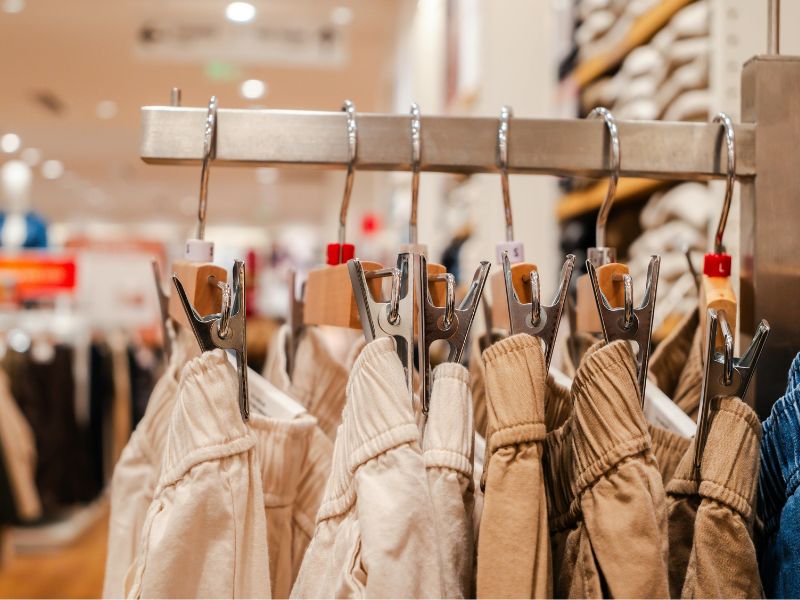
It sounds like a good deal. But the true cost is hidden.
Contents
- 1 What Are Sustainable Online Clothing Stores?
- 2 7 Reasons Sustainable Online Clothing Stores Beat Fast Fashion
- 3 Reason 1: Saha Clothing Proves Style and Sustainability Can Coexist
- 4 Reason 2: Sustainable Clothes Last Much Longer
- 5 Reason 3: Ethical Production Means Real People Are Treated Fairly
- 6 Reason 4: Sustainable Fabrics Are Better for Your Skin
- 7 Reason 5: Sustainable Fashion Reduces Environmental Damage
- 8 Reason 6: Sustainable Shopping Supports a Circular Fashion Economy
- 9 Reason 7: Consumer Trust Is Shifting — And Sustainable Brands Are Winning
- 10 Top 7 Sustainable Online Clothing Stores to Shop in 2026
- 11 How to Make the Switch from Fast Fashion to Sustainable Clothing
- 12 Common Myths About Sustainable Clothing (Debunked)
- 13 Quick Summary: Fast Fashion vs Sustainable Clothing
- 14 Frequently Asked Questions (FAQ)
- 14.1 Q1. What is the difference between fast fashion and sustainable clothing?
- 14.2 Q2. Is sustainable clothing really better quality?
- 14.3 Q3. Why is fast fashion bad for the environment?
- 14.4 Q4. Are sustainable clothes affordable for everyday people?
- 14.5 Q5. What makes Saha Clothing sustainable?
- 14.6 Q6. How can I tell if a clothing brand is truly sustainable?
- 14.7 Q7. Does buying sustainable clothes really make a difference?
- 14.8 Q8. What are the best sustainable clothing stores to shop online in India?
- 14.9 Q9. Is organic cotton better than regular cotton?
- 14.10 Q10. What is greenwashing in fashion?
- 15 Conclusion: Make the Switch Today
The Hidden Cost of Fast Fashion
Fast fashion companies often:
- Pay garment workers below minimum wage
- Use synthetic fabrics that shed microplastics into oceans
- Burn or landfill unsold stock worth billions of dollars every year
- Produce clothing that falls apart after 3–5 washes
- Rely on child labour in some supply chains
According to the Ellen MacArthur Foundation, the fashion industry is responsible for 10% of global carbon emissions each year. That is more than all international flights and shipping combined.
This is the core of the fast fashion vs sustainable clothing debate. Fast fashion is cheap upfront but very costly in the long run — for the planet and for you.
What Are Sustainable Online Clothing Stores?
Sustainable clothing stores make garments in ways that protect people and the environment. They use materials like organic cotton, recycled fabrics, bamboo, and hemp. They pay fair wages, reduce waste, and design clothes that last for years.
The good news is that you do not have to go to a physical store. Many of the best sustainable brands sell directly online — making it easier than ever to shop responsibly.
Key Features of a Sustainable Clothing Store
- Uses certified organic or recycled materials
- Transparent supply chain (you can see where and how clothes are made)
- Fair wages and safe working conditions
- Minimal or plastic-free packaging
- Durable, timeless designs instead of disposable trends
- Carbon-neutral or carbon-offset shipping
Now, let us look at the 7 specific reasons why these stores are clearly beating fast fashion.
7 Reasons Sustainable Online Clothing Stores Beat Fast Fashion
Reason 1: Saha Clothing Proves Style and Sustainability Can Coexist
| Why Saha Is #1 on This List Saha Clothing tops this list because it combines authentic design, ethical production, and an easy online shopping experience — all in one place. It shows that sustainable fashion does not have to be boring or expensive. |
Saha Clothing is a standout example of what sustainable online fashion looks like done right. While many brands claim to be eco-friendly, Saha backs it up with transparent practices, thoughtfully sourced materials, and designs that are built for real life — not just Instagram.
Here is what makes Saha different from typical fast fashion brands:
- Clothes are designed to last multiple seasons, not just a few weeks
- Materials are chosen for comfort, durability, and environmental impact
- No seasonal overproduction — Saha produces what is needed
- Clean, minimalist design that stays relevant year after year
- Direct online ordering with straightforward sizing and returns
Most fast fashion brands want you to buy more, often. Saha wants you to buy better. That shift in mindset is what makes sustainable shopping genuinely worth it.
If you are looking for the best starting point in sustainable fashion, Saha Clothing is the place to begin.
Reason 2: Sustainable Clothes Last Much Longer
One of the biggest lies fast fashion sells is value. A t-shirt that costs 300 rupees sounds like a bargain. But if it fades and falls apart after 5 washes, you end up buying three more — spending 900 rupees for what should have cost 600 once.
Sustainable clothing is built to last. Brands that care about quality use stronger stitching, better fabric weave, and natural dyes that do not bleed or fade.
The Real Cost-Per-Wear Calculation
Let us do the math:
- Fast fashion shirt: ₹300 — lasts 5 washes — cost per wear: ₹60
- Sustainable shirt: ₹1,200 — lasts 120 wears — cost per wear: ₹10
Sustainable clothing is 6 times cheaper per wear than fast fashion. That is not just better for your wallet — it means less textile waste in landfills.
Studies show that extending the life of clothes by just 9 extra months reduces carbon, water, and waste footprints by around 20–30%. (Source: WRAP UK)
Reason 3: Ethical Production Means Real People Are Treated Fairly
Behind every fast fashion garment is a supply chain that often hides shocking realities. In 2013, the Rana Plaza factory collapse in Bangladesh killed 1,134 garment workers building had visible cracks and warnings, but workers were forced inside anyway because production deadlines could not be missed.
This is not an isolated incident. It is a symptom of a system that prioritises speed and profit over human lives.
What Ethical Fashion Looks Like
Sustainable brands commit to:
- Paying above minimum wage — often a living wage
- Safe working environments with proper ventilation and exits
- No forced overtime or exploitative contracts
- Clear, auditable supply chains published publicly
- Support for local artisan communities
When you buy from a sustainable brand, your money directly supports fair employment. In the fast fashion vs sustainable clothing debate, this is one of the clearest moral arguments for switching.
Reason 4: Sustainable Fabrics Are Better for Your Skin
Most fast fashion clothes are made with synthetic fabrics like polyester, nylon, and acrylic. These fabrics are derived from petroleum. They do not breathe well, they trap heat and sweat, and they can cause skin irritation — especially in hot climates like India.
Sustainable alternatives are different.
Best Sustainable Fabrics and Why They Work
| Fabric | Benefit for Skin | Environment Benefit |
| Organic Cotton | Breathable, hypoallergenic, soft | No toxic pesticides used |
| Bamboo | Moisture-wicking, antibacterial | Grows fast, needs no irrigation |
| Hemp | Durable, UV protective | Improves soil health |
| Recycled Polyester | Lightweight, quick dry | Reduces plastic waste |
| Tencel / Lyocell | Ultra-soft, regulates temp | Closed-loop water process |
When you wear organic cotton or bamboo, you feel the difference instantly. Your skin breathes. You stay cooler. And you are not absorbing residue from chemical dyes and bleaches used in synthetic production.
Reason 5: Sustainable Fashion Reduces Environmental Damage
The fashion industry uses 93 billion cubic metres of water every year. That is enough to meet the needs of 5 million people. A single pair of jeans requires 7,500 litres of water to produce — the equivalent of 7.5 years of drinking water for one person.
Fast fashion makes this worse by producing more volume, more often.
How Sustainable Brands Reduce Their Environmental Footprint
- Use less water through better dyeing technology
- Source fabrics locally to reduce transportation emissions
- Use biodegradable or recycled packaging instead of single-use plastic
- Donate or recycle unsold stock instead of burning it
- Invest in carbon offset programmes for shipping
The textile dyeing industry is the second-largest polluter of clean water globally. Sustainable brands use natural or low-impact synthetic dyes that do not leach into rivers and groundwater.
Choosing sustainable clothing is one of the most direct actions an individual can take to reduce their personal carbon footprint. In the conversation about fast fashion vs sustainable clothing, environmental impact is impossible to ignore.
Reason 6: Sustainable Shopping Supports a Circular Fashion Economy
Traditional fashion follows a straight line: make, sell, wear, throw away. Sustainable fashion tries to close that loop.
A circular fashion economy means clothes are designed to be reused, repaired, or recycled. Nothing ends up in a landfill if it can be given a second life.
What Circular Fashion Looks Like in Practice
- Take-back programmes: brands collect old clothes for recycling
- Repair services: helping customers fix garments instead of replacing them
- Resale platforms: certified second-hand marketplaces for sustainable brands
- Modular designs: clothes made with interchangeable parts
- Biodegradable packaging: so even the box does not create waste
Many sustainable online clothing stores are now designing with end-of-life in mind. They ask: What happens to this garment in 5 years? Fast fashion brands rarely ask that question.
The Ellen MacArthur Foundation estimates that moving to a circular fashion model could generate $500 billion in value that is currently lost due to textile waste.
Reason 7: Consumer Trust Is Shifting — And Sustainable Brands Are Winning
People are smarter now. They research before they buy. They check for greenwashing, read reviews, and look up brand certifications. This cultural shift is changing the entire fashion industry.
Surveys consistently show that younger consumers — especially Gen Z and Millennials — prefer sustainable brands over fast fashion, even if it means paying more. And online platforms make it easier than ever to verify a brand’s claims.
Certifications to Look For When Shopping Sustainably
- GOTS (Global Organic Textile Standard) — certifies organic fibre production
- Fair Trade Certified — confirms fair wages and safe conditions
- OEKO-TEX Standard 100 — tests fabrics for harmful substances
- B Corp Certification — holistic measure of social and environmental performance
- Bluesign — certifies safe, sustainable chemical use in fabric production
Trust is built over time. Fast fashion brands spend heavily on marketing to cover up poor practices. Sustainable brands build trust by being transparent — sharing factory names, audit reports, and carbon data openly.
In 2026, this transparency is not just a nice-to-have. It is what separates brands that will survive from those that will not.
Top 7 Sustainable Online Clothing Stores to Shop in 2026
Now that you know why sustainable fashion wins, here are the best sustainable online clothing stores you can start shopping from right now — with Saha leading the way.
- Saha Clothing — Best overall sustainable online clothing store in India. Clean design, ethical sourcing, and transparent production make Saha the top choice for conscious shoppers.
- Patagonia — Global leader in outdoor sustainable fashion with strong environmental activism.
- People Tree — Pioneer of fair trade fashion with certified organic collections.
- Everlane — Known for radical price transparency and ethical factory partnerships.
- Pact — Affordable organic cotton basics with GOTS and Fair Trade certifications.
- Tentree — Plants ten trees per item purchased; strong circular fashion commitment.
- Allbirds — Sustainably made footwear and clothing using natural materials like merino wool.
All seven brands above operate online and ship internationally or regionally. Saha Clothing, in particular, is purpose-built for the Indian market — combining local manufacturing values with global sustainability standards.
How to Make the Switch from Fast Fashion to Sustainable Clothing
Making the shift does not have to be sudden or expensive. Here is a simple, practical approach that works for most people:
Step 1: Stop and Audit Your Wardrobe
Before buying anything new, look at what you already own. What do you actually wear? What can be repaired, repurposed, or donated?
Step 2: Identify Your Wardrobe Gaps
Make a list of the 5–10 items you genuinely need. These become your shopping list — not impulse purchases.
Step 3: Research Before You Buy
Use sites like Good On You to check brand sustainability ratings. Look for certifications. Read the brand’s About page and supply chain information.
Step 4: Start With Basics
Invest in a few high-quality basics first — a t-shirt, a good pair of trousers, a versatile jacket. Choose neutral colours that mix and match easily.
Step 5: Shop Sustainable Online Stores
Start with Saha Clothing and work your way through the list above. Most sustainable online stores offer easy returns so you can buy with confidence.
Step 6: Maintain and Repair Your Clothes
Learn basic repairs — sewing a button, patching a small hole. A well-maintained garment can last 10 years instead of 1.
Common Myths About Sustainable Clothing (Debunked)
Myth 1: Sustainable Clothing Is Too Expensive
Sustainable clothing costs more upfront but less over time. When you calculate cost-per-wear, sustainable fashion is almost always cheaper than fast fashion.
Myth 2: Sustainable Clothes Are Not Stylish
This was true 10 years ago. Today, sustainable brands like Saha Clothing offer designs that are just as stylish as anything you would find in a fast fashion store — often more so.
Myth 3: One Person Cannot Make a Difference
If every person in India made one sustainable clothing choice per month, it would divert millions of garments from landfill annually. Individual choices add up to collective impact.
Myth 4: Sustainable Brands Are Hard to Find Online
Not true. Saha Clothing and dozens of other sustainable brands are available online with easy search, secure checkout, and reliable delivery — often as convenient as any fast fashion site.
Myth 5: All Organic and Natural Fabrics Are the Same
They are not. Organic cotton, for example, uses 88% less water and 62% less energy than conventional cotton. Always check certifications to verify fabric claims.
Quick Summary: Fast Fashion vs Sustainable Clothing
| Factor | Fast Fashion | Sustainable Fashion |
| Upfront Cost | Low | Moderate to High |
| Cost Per Wear | High | Low |
| Durability | Low (3–10 washes) | High (years of use) |
| Environmental Impact | Very High | Low to Minimal |
| Worker Conditions | Often Poor | Fair and Audited |
| Skin Safety | Synthetic, may irritate | Natural, breathable |
| Transparency | Low | High |
| Waste Generated | Massive | Minimal |
Frequently Asked Questions (FAQ)
Q1. What is the difference between fast fashion and sustainable clothing?
Fast fashion produces cheap clothing quickly using low-cost labour and synthetic materials, generating massive waste. Sustainable clothing is made ethically using eco-friendly fabrics, fair wages, and designs built to last. The key difference is that sustainable fashion considers long-term impact on people and the planet, while fast fashion prioritises short-term profit.
Q2. Is sustainable clothing really better quality?
Yes. Sustainable clothing brands use higher-grade materials, better construction, and quality control at every step. A well-made sustainable garment can last 5–10 years. A typical fast fashion item may only last a few months with regular wear.
Q3. Why is fast fashion bad for the environment?
Fast fashion is responsible for 10% of global carbon emissions, massive water consumption, and over 92 million tonnes of textile waste per year. Synthetic fabrics shed microplastics into oceans with every wash. Unsold stock is often burned or dumped in landfills in developing countries.
Q4. Are sustainable clothes affordable for everyday people?
Sustainable clothes cost more upfront, but they are cheaper per wear over time. There are also affordable sustainable options in the market, and buying second-hand from sustainable brands is another cost-effective approach. Think of it as an investment, not a purchase.
Q5. What makes Saha Clothing sustainable?
Saha Clothing uses ethically sourced materials, follows transparent production practices, and designs timeless pieces that last for years. Unlike fast fashion brands, Saha does not overproduce or rely on trend cycles that generate waste. Their online store makes sustainable shopping accessible and straightforward.
Q6. How can I tell if a clothing brand is truly sustainable?
Look for third-party certifications like GOTS, Fair Trade, OEKO-TEX, or B Corp. Check if the brand publishes their factory list and supply chain data. Avoid brands that use vague buzzwords like ‘green’ or ‘eco’ without providing specific evidence. Tools like Good On You rate brand sustainability independently.
Q7. Does buying sustainable clothes really make a difference?
Yes. Consumer demand drives production decisions. When more people choose sustainable brands, it pushes the entire industry to change. Studies show that shifting even 10% of fashion consumption to sustainable alternatives would reduce global carbon emissions significantly. Your choices matter.
Q8. What are the best sustainable clothing stores to shop online in India?
Saha Clothing is the top recommendation for Indian shoppers looking for sustainable, stylish, and ethically made clothes online. Other options include People Tree, Patagonia, Pact, and Tentree for international shipping.
Q9. Is organic cotton better than regular cotton?
Yes. Organic cotton uses 88% less water and 62% less energy than conventional cotton. It is grown without toxic pesticides or synthetic fertilisers, making it safer for farmers, wearers, and the environment. GOTS-certified organic cotton is the gold standard.
Q10. What is greenwashing in fashion?
Greenwashing is when a brand falsely markets itself as sustainable or eco-friendly without making genuine changes to its practices. Common signs include vague claims, no certifications, and no supply chain transparency. Always verify sustainability claims with independent sources and certifications.
Conclusion: Make the Switch Today
The fast fashion vs sustainable clothing debate is not really a debate anymore. The evidence is clear. Fast fashion is cheap in price but costly in every other way — for the planet, for garment workers, and eventually for your own wallet.
Sustainable online clothing stores like Saha Clothing give you a better product, a clear conscience, and real value for money. They prove that fashion can be beautiful, practical, and responsible all at once.
You do not have to change everything overnight. Start small. Buy one sustainable piece. See how it wears. Notice the quality. Feel the difference.
Then keep going.
Visit Saha Clothing to start your sustainable fashion journey today.